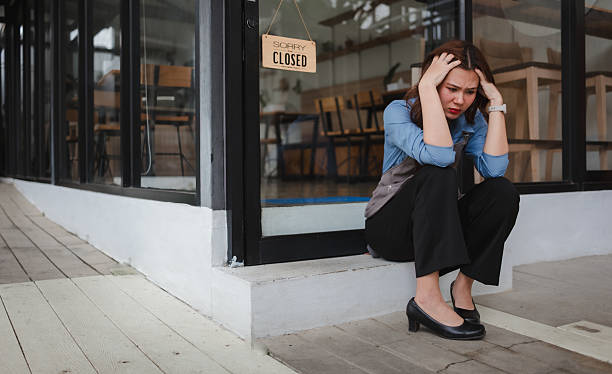

Honestly, running a small business in today’s world sometimes feels like juggling flaming torches while riding a unicycle on a tightrope. One wrong move and poof, there goes your coffee shop, boutique, or freelance hustle. But somehow, small businesses keep surviving, even thriving, while big corporations are cutting corners and laying people off like it’s a hobby. Part of it is stubbornness, part of it is creativity, and part of it is just plain luck—sometimes you have to admit that.
Most small business owners I know have at least one story of a “near-death experience” for their business. One friend ran a tiny bookstore that almost folded during the pandemic, and then somehow, thanks to a viral TikTok video of her reading obscure poetry while wearing a cat hat, sales doubled overnight. Social media really is the modern-day lifeboat for small businesses—your audience might literally save you if you can make them laugh or feel something.
Adapting on the Fly
The thing about tough markets is they rarely give you time to breathe. If you’re slow to adapt, you’re basically signing a resignation letter for your business without realizing it. Small businesses survive because they are flexible, like those weird little bamboo plants that just bend in the wind. Unlike big corporations stuck in layers of red tape, a small business owner can pivot quickly—add a new product line, change pricing, start delivery, or launch a flash sale in one afternoon.
I’ve seen coffee shops in my city survive a 40% rent hike just by switching to subscription models. People pay upfront, the shop gets cash flow, everyone’s happy—or at least slightly less miserable. It’s like turning lemons into lemonade, but also selling the lemons to pay rent, and maybe squeezing a little lemonade on the side to cover your Spotify playlist fees.
The Money Game Nobody Talks About
Surviving tough markets isn’t just about cool Instagram posts and funny TikToks. It’s about money, obviously. But here’s the twist: small businesses often don’t need millions of dollars to survive; they need cash flow clarity. Knowing exactly how much money comes in and goes out, week by week, sometimes day by day, is the difference between closing down and hanging on.
Some small business owners get obsessive about spreadsheets—I’ve seen people track every single coffee bean they buy like it’s stock market data. Others go full gut-feeling mode, which is riskier but can work if you’ve been around the block. There’s no perfect formula, but being aware of your money is the first step. Even something as simple as renegotiating supplier contracts or cutting a product that isn’t selling can make a huge difference.
Community Over Competition
Another weird but powerful survival trick: small businesses rely on community like sharks rely on water. Online forums, local Facebook groups, neighborhood apps—they’re all places where loyal customers, other business owners, and even just random good Samaritans can show up in ways big businesses often can’t. One local bakery survived a supply chain nightmare because neighbors started pooling resources to help out. It’s messy, sometimes awkward, but human connection really does matter. People like feeling like they are part of something, and small businesses can offer that in a way big corporations just can’t.
Innovation Doesn’t Have to Be Fancy
You don’t need a billion-dollar R&D department to survive. Innovation can be small, personal, and sometimes a little silly. During a slump, one small clothing brand started including tiny hand-written notes in every order. Sales didn’t just tick up, they jumped. People loved that personal touch, sharing it on Instagram and tweeting about it. Sometimes survival is as simple as making people feel seen.
Mental Toughness: The Underrated Survival Skill
Let’s be real: surviving tough markets is exhausting. Anxiety, sleepless nights, figuring out how to pay rent, worrying if your best employees are gonna quit—it all adds up. Small business owners often survive because they develop a weird kind of mental toughness. Maybe it’s stubbornness, maybe it’s passion, maybe it’s just too much pride to quit. But honestly, sometimes it’s just sheer human willpower mixed with caffeine. A lot of caffeine.
Luck Plays Its Part Too
And of course, I can’t ignore luck. Timing, trends, viral moments—they matter. But relying on luck alone is a dangerous game. The smart small businesses prepare for when luck isn’t on their side. They have emergency funds, they experiment in small ways, and they know which risks are worth taking.
So yeah, small businesses survive tough markets because they are adaptable, money-smart, community-driven, and sometimes lucky. And let’s not forget mentally tough—if your brain can survive running a small business, you can probably survive anything.
Running a small business is messy, unpredictable, and exhausting. But for those who hang on, innovate, and lean on their communities, it’s also rewarding in ways big corporations will never understand. And hey, seeing your little business somehow survive when everything seems stacked against it? There’s no better feeling.